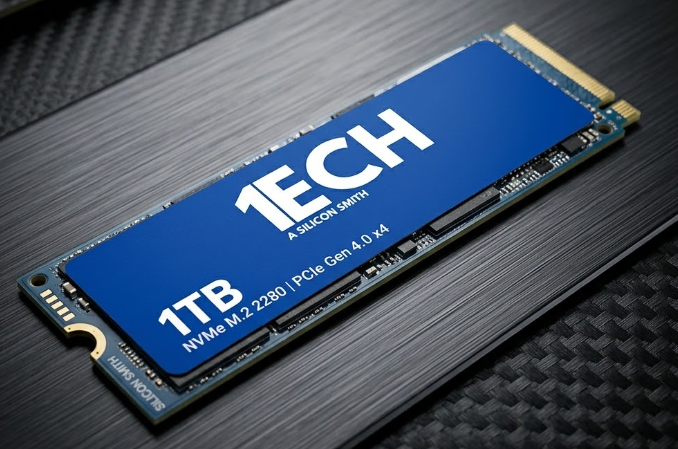
01 / SPEED
14,000 MB/s is no longer theoretical.
PCIe 5.0 drives now commonly target the 14 GB/s class. Samsung lists up to 14,800 MB/s sequential read performance for select 9100 PRO capacities — a useful signpost for the new high-end ceiling.

MICROSTC JOURNAL / AUGUST 2026
A concise look at the SSD developments shaping gaming, local AI, creative work, and the data centre — and what to watch next.
THE 2026 UPDATE / GEN 5
What was recently enthusiast-only technology is now appearing more widely. Leading PCIe 5.0 NVMe drives are approaching the limits of the interface, turning very large game installs, video projects and data sets into much shorter waits.
Read the briefing →01 / SPEED
PCIe 5.0 drives now commonly target the 14 GB/s class. Samsung lists up to 14,800 MB/s sequential read performance for select 9100 PRO capacities — a useful signpost for the new high-end ceiling.
02 / AI WORKLOADS
Fast local storage helps reduce the time spent loading large assets, project files and model data. For creators and developers, that means a smoother path from storage to application and, where applicable, to system memory or VRAM.
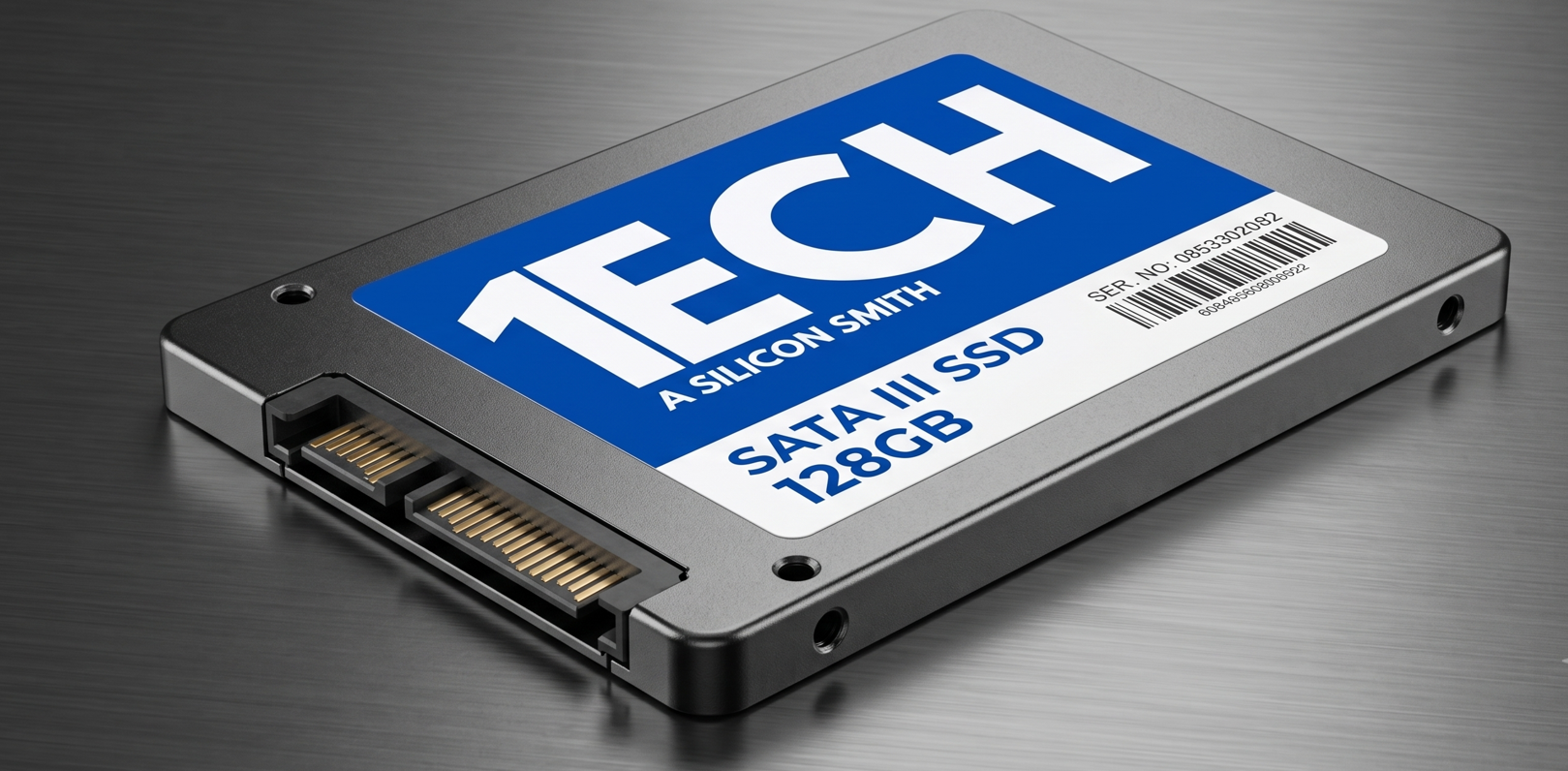
03 / DENSITY
Enterprise QLC is changing the density equation: Solidigm is shipping a 122 TB D5-P5336. Kioxia’s LC9 family has demonstrated a 245.76 TB class drive for capacity-led AI and hyperscale deployments.
LOOKING AHEAD
PCIe 6.0 is already being explored in enterprise platforms, while PCIe 7.0 is now a published specification. The PCI-SIG released PCIe 7.0 in June 2025 at 128 GT/s — twice the raw transfer rate of PCIe 6.x. These specifications do not mean consumer SSDs arrive overnight, but they establish the road map for future controllers, NAND and data-centre fabrics.
For MICROSTC customers, the practical takeaway is simple: choose a drive for the workload you have today, with enough endurance, cooling and capacity for the workflow you plan to grow into. Peak sequential speed matters, but consistent sustained performance, thermals, firmware and support matter too.
Editorial note: Performance figures are vendor-reported maximums measured under specified test conditions and vary by capacity, host platform, firmware and workload. Third-party names and trademarks belong to their respective owners; references are informational only and do not imply affiliation or endorsement.